
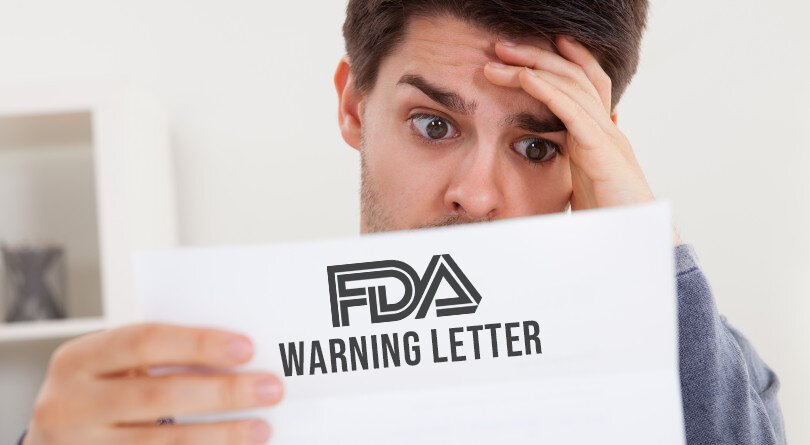
FDA Cracks Down on 30 Telehealth Clinics: What You Need to Know
The FDA isn’t playing around anymore. On March 3, 2026, the agency issued 30 official warning letters to telehealth companies selling compounded GLP-1s (like semaglutide and tirzepatide).
This is part of a massive crackdown where the FDA has sent thousands of warning letters to telehealth and pharma platforms—more in the last six months than in the entire previous decade.
Here is the breakdown of why this happened and what it means for the peptide community.
Why Did These Clinics Get Targeted?
The FDA acknowledged that compounded drugs are valuable for handling shortages and custom patient needs. However, these 30 clinics crossed two major legal lines:
- Claiming “Sameness” to Brand-Name Drugs: Clinics were marketing compounded peptides as “generic Ozempic” or implying they are identical to FDA-approved brand names. Compounded peptides are not FDA-approved, and calling them generic is illegal under federal advertising rules.
- Hiding Product Sourcing (White-Labeling): Many platforms slapped their own logo on peptide vials without revealing which compounding pharmacy actually made them, implying the telehealth site was the actual manufacturer.
Quick Breakdown
- Old Practice: Calling compounded semaglutide “Generic Ozempic.”
- New Rule: Clinics must explicitly state compounds are unapproved alternatives.
- Old Practice: Selling custom-branded vials without disclosing the source lab.
- New Rule: Clear transparency on which 503A or 503B pharmacy compounded the batch.
What This Means for You
- Watch Out for Buzzwords: If a clinic or site claims their compounded peptide is “FDA-Approved,” run. Compounded formulations cannot be individual FDA-approved drugs by definition.
- Demand Transparency: Always look for platforms that clearly disclose their partner pharmacies and provide valid third-party lab testing (like HPLC purity testing).
- Expect Site Changes: Expect many popular telehealth sites to update their landing pages, remove misleading copy, or temporarily pause sign-ups as they fix their marketing.
For more regulatory updates, sourcing breakdowns, and peptide news, keep following Peptide Insider Report.
Leave a Reply