
The Apex Effect: What the Rise of High-Profile Peptide Vendors Means for the Market
Industry Analysis | Peptide Insider Report
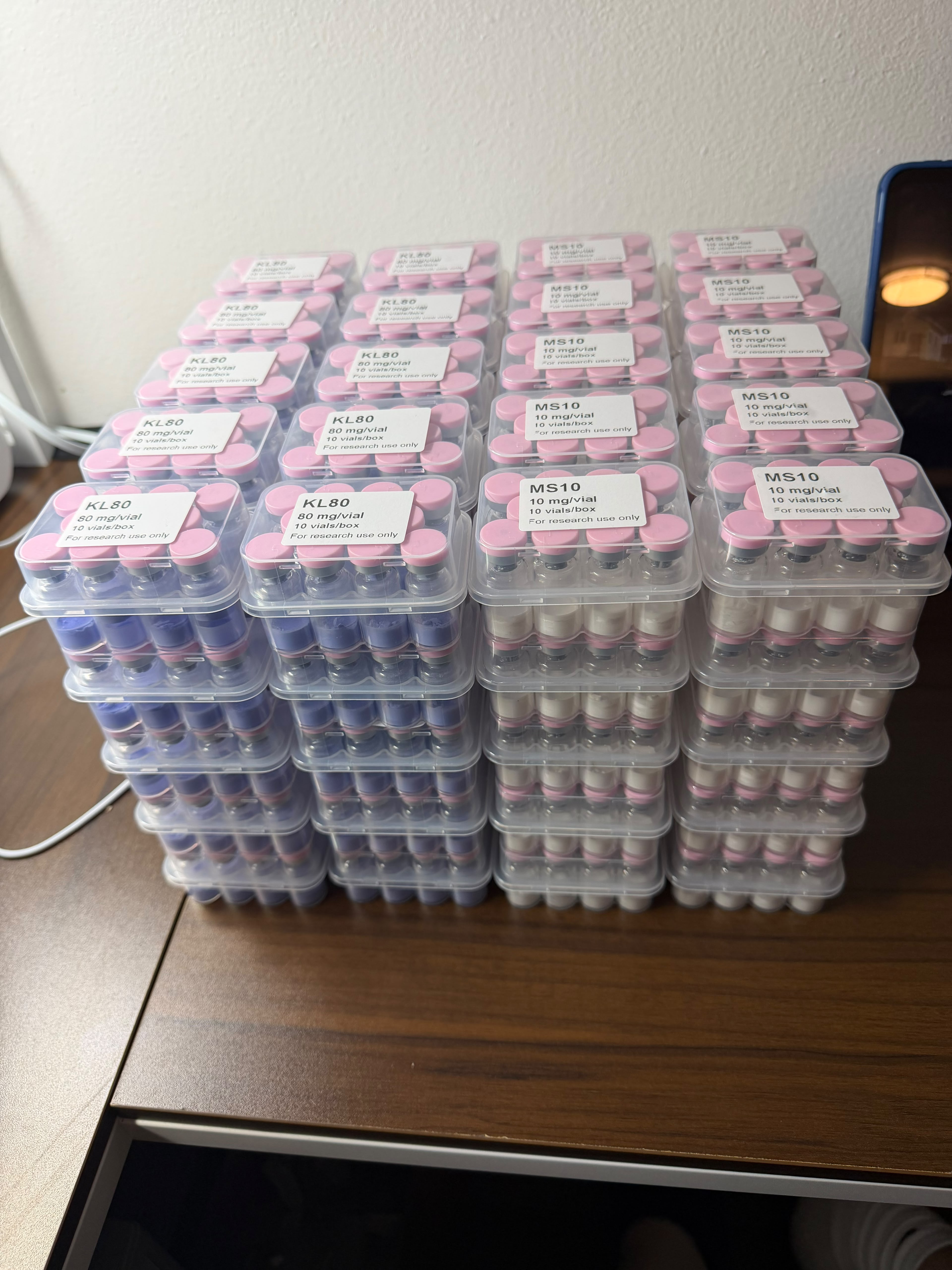
If you follow the research peptide space, you’ve likely seen Apex (Apex Peptides / Apex Peptide Supply) popping up across forums, research communities, and industry discussions. While boutique research vendors have traditionally operated quietly in niche circles, Apex represents a newer breed of distributor: aggressive digital marketing, heavy volume, mainstream-style branding, and deep discounting.
Whenever a single vendor scales this fast in the research chemical sector, the ripple effects shift the entire ecosystem. Here is an inside look at what the rise of Apex signals, and how it is reshaping the domestic research peptide market.
1. The Death of Blind Trust: Purity Verification is Non-Negotiable
For years, smaller suppliers could get away with static, generic PDF Certificates of Analysis (COAs). Outfits operating at Apex’s scale built their reach by heavily promoting independent analytical testing—specifically HPLC and Mass Spectrometry reports tied directly to verifiable batch numbers.
2. Payment Rails Under Pressure
As research chemical storefronts reach mainstream visibility, standard banking and merchant services become the primary operational bottleneck. High-volume outfits frequently encounter sudden merchant processor freezes, forcing rapid pivots between standard card processing, ACH, e-checks, and cryptocurrency.
3. Increased Regulatory & “Research Use” Scrutiny
Operating at enterprise scale inevitably draws regulatory attention. Federal agencies continue to clarify that labeling vials “For Research Use Only / Not for Human Consumption” does not provide complete safe-harbor protection if marketing tactics, affiliate networks, or community engagements imply clinical or therapeutic intent.
4. Supply Chain Realities: Scale vs. Agility
The conversation surrounding large-scale distributors highlights a foundational reality of the peptide industry: the vast majority of consumer-facing brands operate as domestic distributors sourcing lyophilized peptide cakes from specialized synthesis labs.
- The Low-Cost Volume Game: Competing purely on price margins, which can strain quality control budgets.
- The Quality & Reliability Niche: Differentiating through verified cold-chain storage, responsive support, fast domestic dispatch, and transparent multi-tier batch testing.
What This Means for the Research Community
The footprint left by names like Apex is a symptom of an industry in rapid transition. The research peptide market is moving away from the era of anonymous, unverified storefronts and toward a landscape defined by higher third-party testing standards, stricter regulatory awareness, and refined domestic logistics. For researchers, expectations for purity and reliability have never been higher—and for suppliers, the margin for operational error has never been thinner.
Leave a Reply